Tips and Tricks for Reducing Heating Bills
March 25, 2026
Heating costs tend to rise during colder months as systems work harder to maintain indoor comfort. However, higher bills aren’t always just about the weather. Many homeowners and renters unknowingly lose heat through small inefficiencies—like drafts, poor insulation, or inconsistent thermostat use.
The good news is that reducing your heating bill doesn’t require major upgrades. With a few simple adjustments and smarter daily habits, you can keep your home comfortable while lowering monthly utility costs.
Adjust Your Thermostat Strategically
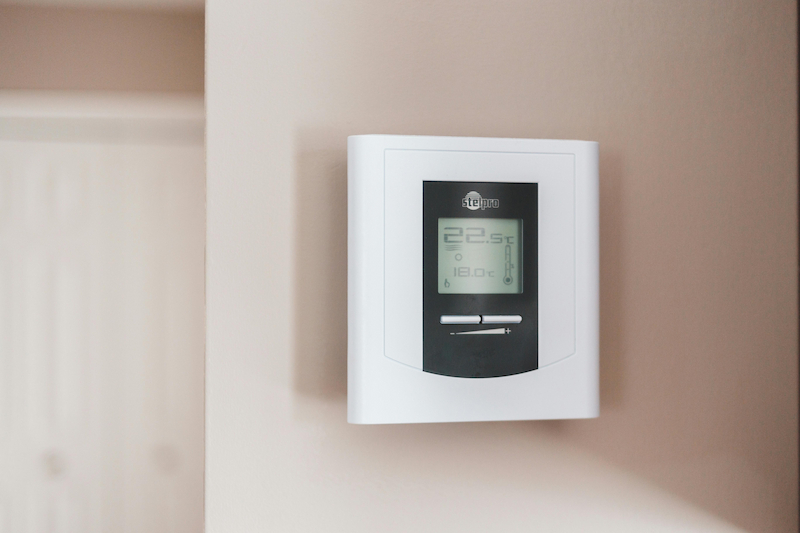
One of the most effective ways to reduce heating costs is by managing your thermostat wisely. Even lowering the temperature by just one degree can make a noticeable difference over time and improve overall home heating efficiency.
Setting your thermostat between 68–70°F during the day helps maintain comfort without overusing energy. Lowering the temperature while you sleep or when you’re away prevents unnecessary heating and helps save on heating costs.
Using a programmable thermostat or smart thermostat makes this easier by automatically adjusting temperatures based on your schedule.
Tips:
- Lower the temperature overnight for better efficiency
- Reduce heating when leaving the house
- Avoid frequently turning the thermostat up and down, which can waste energy
Seal Drafts Around Windows and Doors
Drafts are one of the most common causes of heat loss. Small gaps around windows and doors allow warm air to escape and cold air to enter, forcing your heating system to work harder.
Sealing these gaps with weatherstripping or caulking can significantly improve energy efficiency.
If your home has an attached garage, it’s also important to prevent cold air from entering through shared walls or doors.
Tips:
- Check window frames and door edges for gaps
- Use draft stoppers during colder months
- Ensure the door between your home and garage is properly sealed
- Keep your garage door closed as much as possible
Improve Insulation (Where Possible)
Proper insulation helps retain heat, keeping your home warmer for longer without increasing energy use. This is a key step in creating an energy-efficient home and reducing overall utility costs. Key areas include the attic, walls, floors, and even hot water tanks.
According to the U.S. Department of Energy, proper insulation can reduce heating and cooling costs by up to 20%.
Tips:
- Add thermal or blackout curtains to reduce heat loss
- Use rugs on cold floors for added warmth
- Install or upgrade attic insulation where possible
For renters:
If you suspect insulation issues, consider discussing options with your landlord or submitting a work order to have areas checked for heat loss.
Maintain Your Heating System
A well-maintained heating system runs more efficiently and uses less energy. Dirty filters, blocked vents, or neglected systems can reduce airflow and increase energy consumption, making it harder to lower heating costs.
Routine maintenance ensures your system operates effectively and supports better home heating efficiency throughout the colder months.
Tips:
- Replace furnace filters at least every 3 months (or more often if needed)
- Schedule professional maintenance when necessary
- Keep vents and registers clear of furniture, rugs, and curtains
Use Natural Heat Sources
Natural sunlight is a simple and effective way to warm your home during the day. Taking advantage of sunlight can help save energy in winter and reduce the need for constant heating.
At the same time, retaining that warmth is just as important once temperatures drop.
Tips:
- Open blinds and curtains during sunny days
- Focus on windows that receive the most sunlight
- Close curtains or blinds at night to trap heat indoors
Other Ways to Reduce Energy Use
Energy savings go beyond heating; your daily habits also play a significant role in your overall utility costs and can help reduce energy bills at home.
Laundry Efficiency
- Wash clothes in cold water when possible
- Run full loads to maximize efficiency
- Air-dry clothes when possible
- Clean the dryer lint filter after every use
Hot Water Usage
- Take shorter showers to reduce water and energy use
- Fix leaks promptly to avoid unnecessary waste
Water Temperature
- Set your water heater to 120°F (49°C) for optimal efficiency and comfort
- Learn more about safe settings from Energy Saver guidelines
Everyday Habits
- Turn off lights when not in use
- Unplug electronics or use power strips to reduce standby energy use
- Use natural lighting whenever possible
Reducing your heating bill doesn’t require major renovations or expensive upgrades. By focusing on smart thermostat use, sealing drafts, improving insulation, and maintaining your heating system, you can make a noticeable impact on your monthly costs.
Start with small changes and build consistent habits over time. Even simple adjustments can help you stay warm, comfortable, and energy-efficient all season long.

Subscribe For Updates
Make your home a place of comfort, all year round.
At Imagine Homes Management, we help residents stay comfortable through every season with well-maintained homes and responsive support. Our homes are equipped with smart thermostats that allow you to easily adjust temperatures and create schedules, helping you manage your home’s comfort while improving energy efficiency.
Looking for a home that’s designed with comfort and convenience in mind? Explore our available rentals and see what it means to be part of the Imagine Homes Management community.
Categories
Latest Posts
Archives
- April 2026
- March 2026
- February 2026
- January 2024
- August 2023
- July 2023
- June 2023
- May 2023
- April 2023
- March 2023
- February 2023
- January 2023
- December 2022
- November 2022
- October 2022
- September 2022
- August 2022
- July 2022
- June 2022
- May 2022
- April 2022
- March 2022
- February 2022
- January 2022
- December 2021
- November 2021
- October 2021
- September 2021
- August 2021
- July 2021
- June 2021
- May 2021
- April 2021
- March 2021
- February 2021
- January 2021